Nobody leaves the house thinking they are going to get stranded today
There is something curious when we are driving.
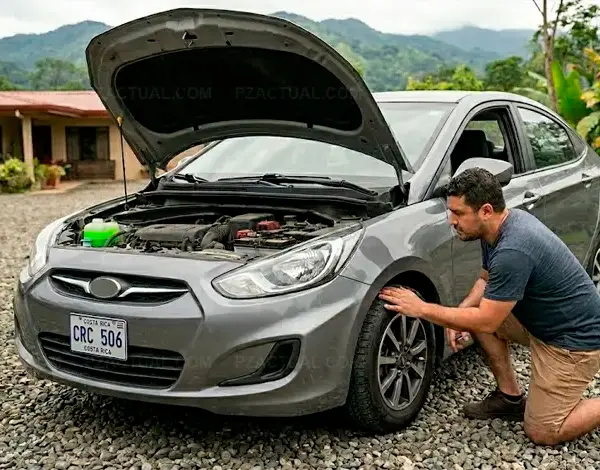
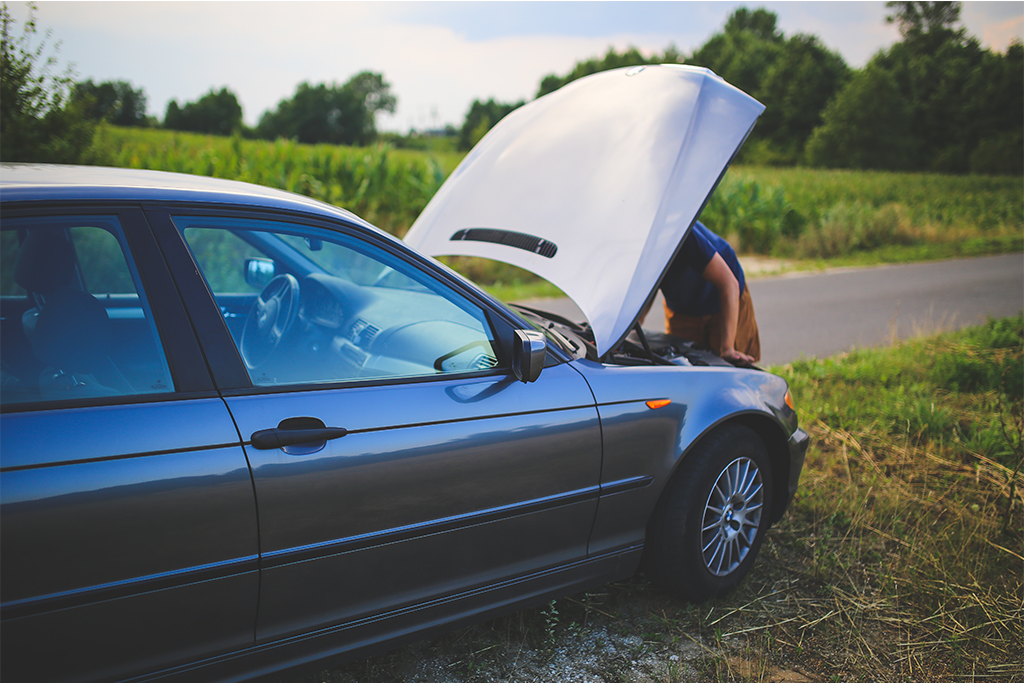
Every day we see cars stopped on the side of the road. Some have the hood open, others are changing a tire, and some simply have their hazard lights on waiting for help.
You drive by, see them, and continue on your way.
Until one day, the one who is stopped is you.
And that is when everything changes.
From one moment to the next, the questions begin.
What happened?
Who do I call?
Is there a mechanic nearby?
Would it be better to call a tow truck?
It doesn't matter if you have been driving for ten years or if you bought your first car a week ago. Roadside emergencies can happen to anyone.
-
Sometimes it is something small.
-
A tire that was damaged by a pothole.
-
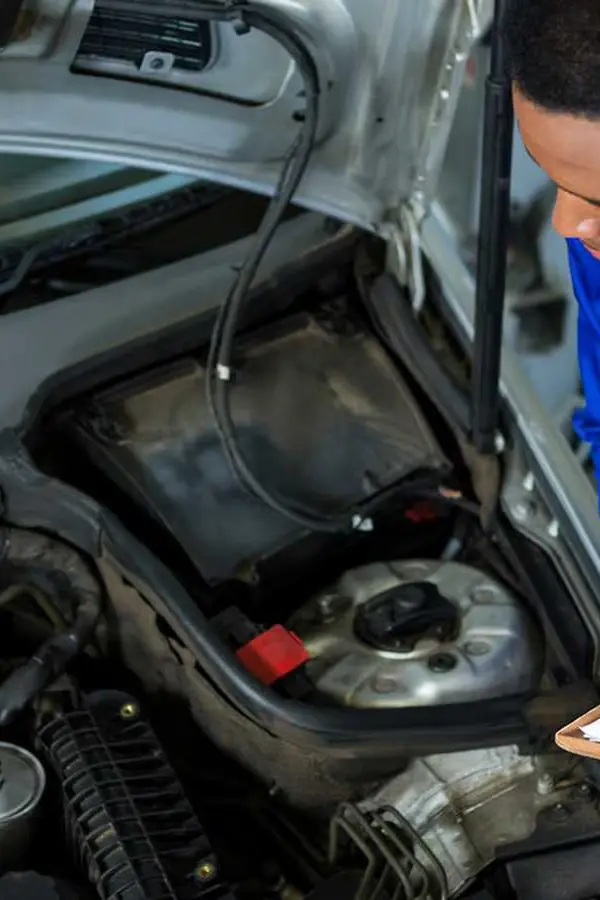
A battery that decided to die right when you were leaving.
-
A car that started to overheat because the radiator had a leak.
-
Or the classic... miscalculating the gas thinking it was enough to get there.
These are things that happen every day.
And not just to old cars. It also happens to new vehicles, motorcycles, work cars, and even to those who perform maintenance frequently.
The hard part is not always the breakdown.
The complicated part is not knowing who can help you at that moment.
If you are in a place you don't know, if it is at night, or if you are with your family, every minute feels like an eternity.
That is why it is always worth doing some checks before leaving.
-
Check the tire pressure.
-
Verify the radiator water and oil levels.
-
Make sure the battery is in good condition.
-
And if you are going on a long trip, don't let the tank get close to empty.
It doesn't prevent all emergencies, but it does greatly reduce the chances of getting stranded.
The reality is that no one can guarantee that a car will never fail.
Parts wear out, roads surprise you, and unforeseen events exist.
The important thing is knowing that, when it happens, you don't have to resolve it alone.
At PuraCars, we believe that mobility is much more than driving a vehicle.
-
It is being able to continue with your day.
-
Getting to work.
-
Continuing a trip with your family.
-
Delivering an order.
-
Returning home with peace of mind.
And when something doesn't go as expected, finding quick help can make all the difference.
Because getting stranded doesn't have to turn into a story of hours of stress.
It can just be a small delay when you know where to find the right help.
Frequently Asked Questions
What should I do if my car breaks down?
The first thing is to turn on your hazard lights, park in a safe place if possible, and call for help. Avoid staying in the middle of the road.
What are the most common roadside failures?
The most frequent ones are a dead battery, damaged tires, engine overheating, radiator problems, and running out of fuel.
Is it safe to accept help from just anyone?
It is always better to contact a reliable service or someone you trust. If you accept help, stay alert to your surroundings.
How can I avoid breaking down?
Perform preventive maintenance, check tire pressure, oil level, radiator water, and battery status before long trips.
What should I always carry in my vehicle?
A spare tire in good condition, jack, lug wrench, jumper cables, flashlight, reflective vest, and a basic first aid kit.