Route 27: The sinkhole affecting thousands of trips to the Pacific
Route 27 is much more than a highway. For thousands of Costa Ricans, it represents the primary connection between the Central Valley and some of the country's most visited destinations, including Jacó, Herradura, Puntarenas, and other Pacific communities.
For this reason, the recent sinkhole reported at kilometer 56 has generated concern among drivers, transport companies, tourists, and vehicle owners who depend on this important thoroughfare for their daily activities.
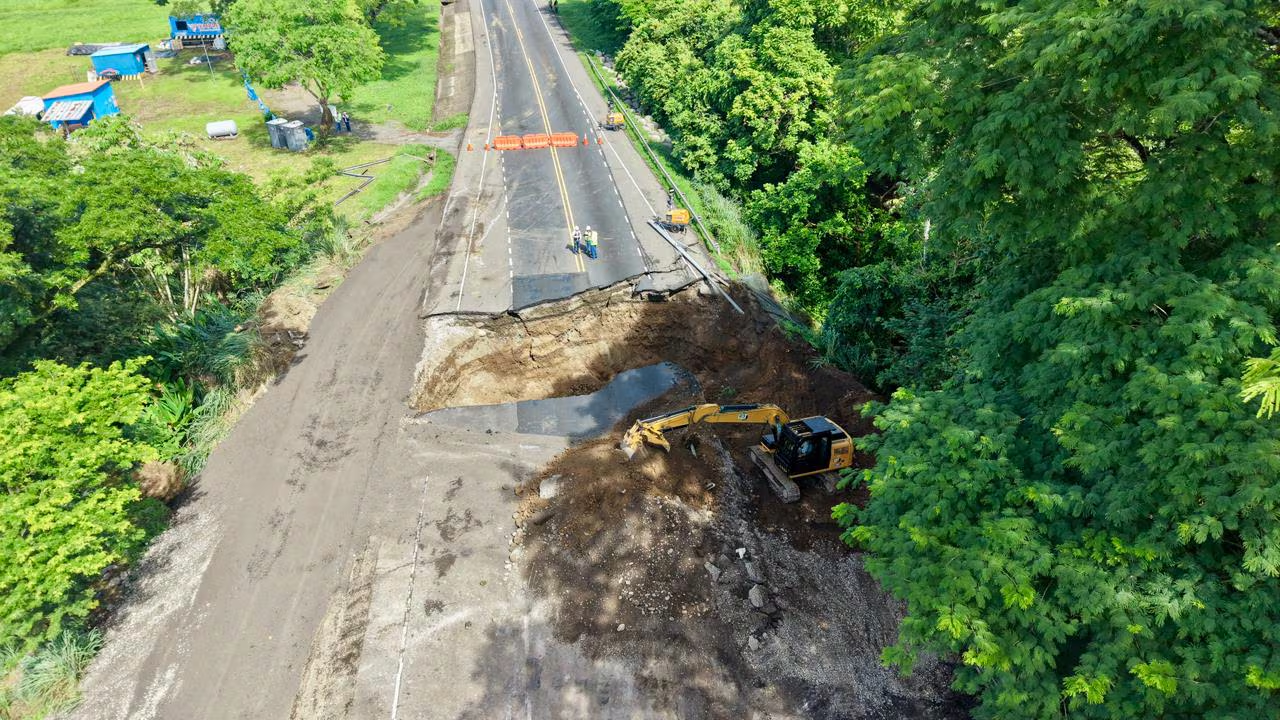
What happened at kilometer 56?
The heavy rains recorded in the area caused damage to a culvert located under the highway, generating a sinkhole that forced authorities to intervene immediately.
Although temporary measures have been implemented to maintain traffic flow, repair work could extend for several days while the affected infrastructure is replaced and user safety is guaranteed.
How does it affect drivers?
For many drivers, the primary impact is the increase in travel times.
During peak hours, especially on weekends and holidays, delays can be significant due to speed reductions and the concentration of vehicles in the affected area.
Those planning to travel to Pacific tourist destinations should consider:
-
Leaving earlier.
-
Checking navigation apps before the trip.
-
Maintaining enough fuel for potential delays.
-
Consulting updated traffic reports.
The impact on tourism
Costa Rica receives thousands of visitors who use Route 27 to reach beaches, hotels, and tourist attractions.
Any disruption on this highway has an immediate effect on the mobility of national and foreign tourists, especially during high-demand seasons.
Additionally, tourism-related businesses, such as hotels, restaurants, tours, and car rental companies, can be affected by changes in travel times.
A lesson on preventive maintenance
Events like this serve as a reminder of the importance of investing in resilient road infrastructure.
Intense rains, which are becoming more frequent in different regions of the country, put highways, bridges, culverts, and drainage systems—which are fundamental for national mobility—to the test.
Prevention is usually much less expensive than emergency repairs and helps reduce risks for drivers and communities.
Tips for those planning to travel to the Pacific
If you plan to use Route 27 during the coming days, consider these recommendations:
Check the status of your vehicle
Before leaving, verify:
-
Tire pressure.
-
Oil level.
-
Brake system.
-
Lights.
-
Windshield wipers.
A vehicle in good condition helps you better handle any delay or adverse road conditions.
Check traffic in real time
Apps like Google Maps or Waze can help you identify potential congestion and estimate more precise arrival times.
Avoid peak hours
If possible, schedule your departure outside of peak traffic hours to reduce wait times.
What's next for Route 27
While repair work continues, thousands of drivers will continue to depend on the temporary solutions implemented in the area.
The situation also opens an important conversation about the future of Costa Rican road infrastructure and the need to guarantee safe and efficient routes for the country's economic, tourism, and social growth.
For now, the best tool for any driver remains planning.
Before taking to the road, stay informed, check your vehicle, and consider potential delays. A few minutes of preparation can make a big difference during the trip.
Do you need a vehicle for your next trip?
At https://www.PuraRide.com you can find rental options for tourism, work, or daily mobility directly between owners and drivers in Costa Rica.
Explore available vehicles and find the option that best suits your needs.